Entertaining Satan’s Horde in a More Uplifting Way – 91%
bayern, June 15th, 2017
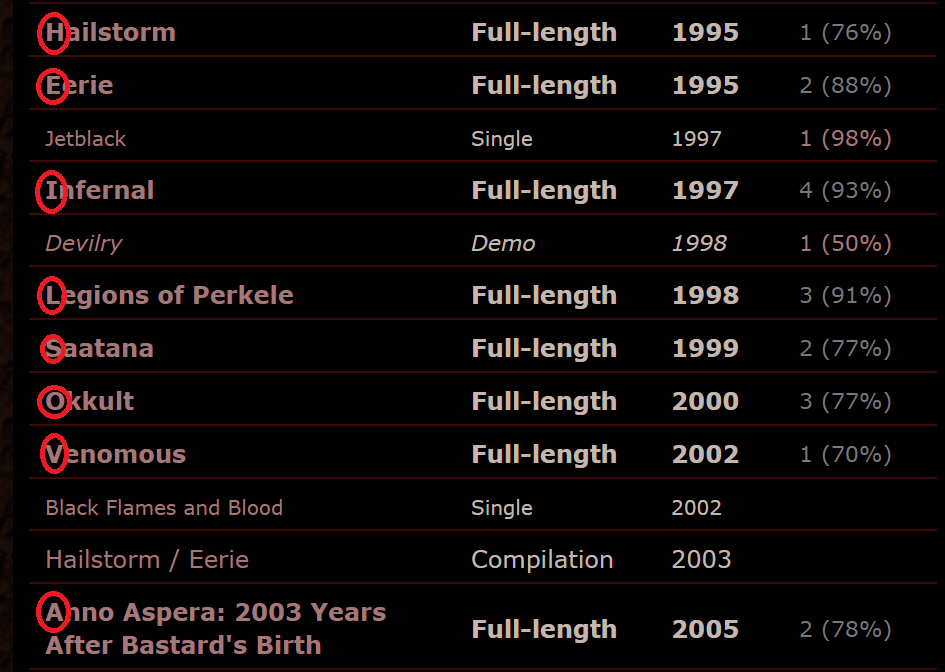
My “love affair” with Barathrum has been quite a fluctuating one; I found the debut a pile of sloppily assembled noises which I immediately dismissed; then this piece of creepy macabre minimalistic “beauty” called “Eerie” appeared which hooked me instantly, and still remains my favourite from their discography… then “Infernal” came out which didn’t strike me that hard after its grand predecessor, being again on the not very dexterously produced, abrasively executed side of the spectre. But then the band hit their stride with a string of four fairly strong efforts all the way to the scary blasting “beast” “Anno Aspera…”.
The album reviewed here takes the middle ground in the guys’ discography and as such tries to combine the more primal sound from the beginning, to a lesser extent, with the more accessible, more optimistic approach from the surrounding it material. It wins on all counts although the hard-core black metal fanbase mustn’t have been quite happy with this mellower direction. So the darkness lands with “The Darkness Has Landed”, a direct no-gimmicks piece with jarring thrashy guitars and imposing epic build-ups the latter helped by the unobtrusive keyboard tunes. “Bride of Lucifer” is the characteristic for the band black/doomster with sinister heavy riffage marching in a patient, remorseless manner with eerie melodies provided to enhance the deep atmosphere. “Blood Spiller” is a nearly mainstream piece with the friendlier rhythms and the galloping escapades which put it in the vicinity of the 90’s German power/speed metal movement even; except for Demonos Sova’s unholy, apocalyptic vocals there’s not much to associate this cut with the band’s earlier repertoire. “Halfheart” moves back to the fields of doom, but this time the delivery is mellower and “half-hearted” with soulful guitars and catchier rhythms this song sounding like the moodier sibling of the preceding one.
“I am Very Possessed” notches up the drama with a more prominent participation of the keyboards, and the speedier decisions make it a more picturesque representative of the guys’ newly acquired softer aesthetics with an overt operatic vibe ala Therion and Hollenthon; memorable, catchy stuff which sticks in the mind regardless of its not very closely related to black metal nature. “Land of Tears” recalls mid-period Bathory with the epic/pagan flavour exuded and the officiant doomy passages; this is by no means Blackmetalland anymore, and the band have no intentions on pretending that this is the case although to these ears they’ve never been a squarely full-fledged black metal outfit music-wise. “Whores of Hades” continues with the doomy infatuations and the increased presence of the melody coming a bit sorrowful and melancholic, and “Devilish Sign” is a marginally more intimidating piece with pounding drums and stomping riffage, Sova only sparingly adding a few isolated growls wary of breaking the horror instilled. “Fatal Bite” livens up with more dynamic configurations and interesting melodic nuances which become more playful and infectious in the second half.
Although the shift towards less aggressive ways of expression has started earlier, on “Legions of Perkele” to be precise, it reaches its culmination on this opus and some may say that the band have never sounded as commercially acceptable and friendly as here… which is probably true as they obviously didn’t want to associate themselves with the black metal circles so narrowly, at least at that stage. It was also the time when Satyricon released “Rebel Extravaganza”, and black metal began to move away from the scholastic dogmas that were imprisoning it earlier. Again, black metal is a loose term when describing Barathrum’s sound as it has a lot in common with the purer doom metal ways of execution, too, and we can safely put them on the pioneering position when it comes to the doom/black metal hybridization alongside the Swedes Ancient Wisdom. The catchier heavy/power metal elements inserted can be debatable as they simply dissipate the dark oppressing motifs with which the band have become synonymous, and it was probably good that the following “Venomous” tried to shake them off.
The 3-year gap that followed may have been an indication for another change of style as the band returned to their more brutal ways on “Anno Aspera…” not willing to lose their position as one of the prime evil music purveyors on Finnish soil next to Impaled Nazarene and Horna. With these eight instalments completing a somewhat conceptual design (the spelling out of “Heil Sova” with the first letter of each album-title) the Demons took a really lengthy break before re-emerging with “Fanatiko” a few months prior, a really good effort that brought back all the previous ingredients, including something from this “okkult” delight here, mixed into one captivating melting pot. A start of a new devilish concept? Why not; Sova and his satanic gang don’t seem to have said their final word yet…


Deixe um comentário